
Tsunami Warning: What to Do Near the Coast (2026)
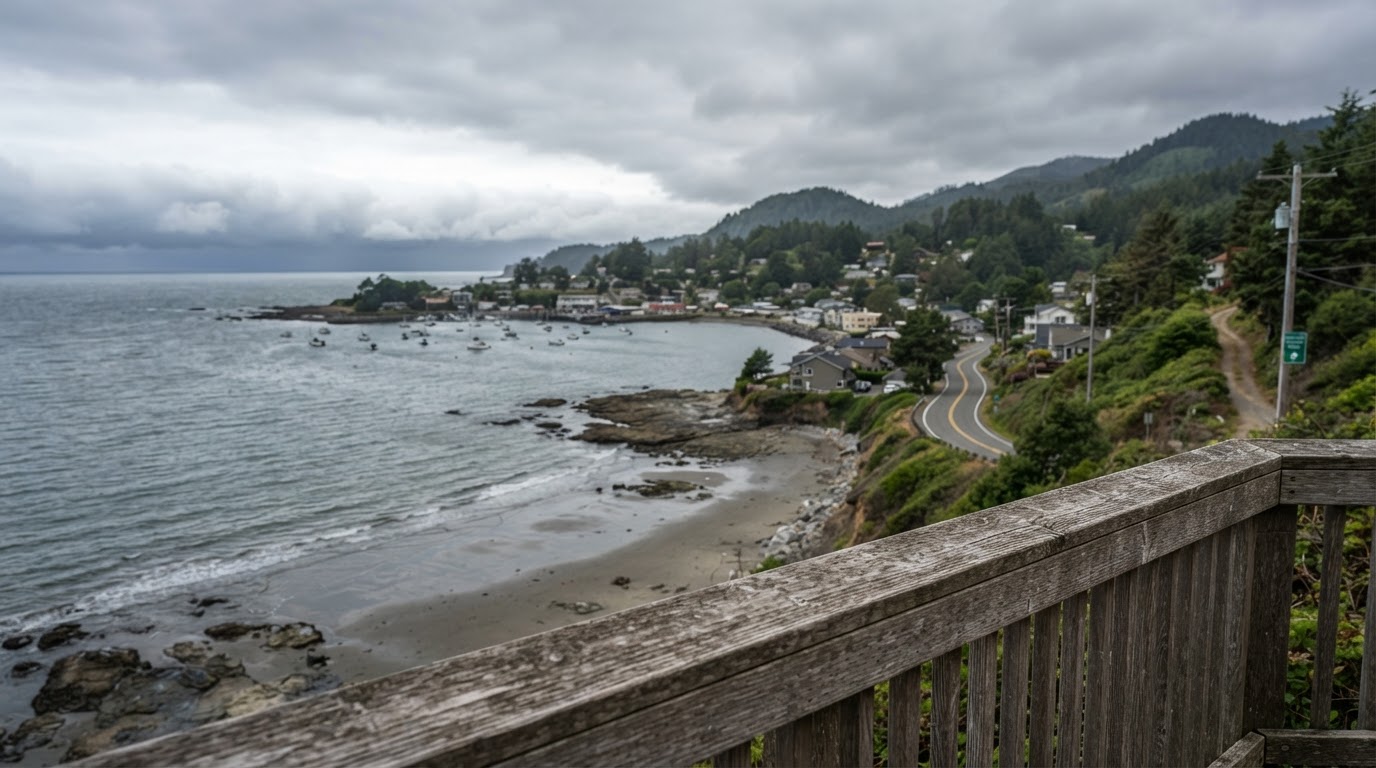
Tsunami warning safety: what to do when the ground shakes near the coast. Spot the warning signs, know how far to evacuate, and when it is safe to return.
This article contains affiliate links. If you buy through these links, we may earn a small commission at no extra cost to you.
A local tsunami can reach shore within minutes of a nearby offshore earthquake. If you feel strong or long shaking near the coast, do not wait for a phone alert or siren. Protect yourself during the shaking, then move inland or to high ground as soon as it stops.
The drop, cover, and hold on guide covers the shaking itself. This guide covers the evacuation that follows.
The Basics, Fast
- A tsunami is a series of waves. A locally generated one can reach shore within minutes.
- Strong or long coastal shaking is a natural warning. Start moving when the shaking stops.
- Follow the posted evacuation route on foot when you can. Traffic and quake damage can block roads.
- The first wave may not be the largest. Stay away until officials issue the all-clear.
- Stay off beaches, piers, harbors, and river mouths during an alert.
Tsunami Warning Levels: What Each One Means
The National Weather Service uses four tsunami alert products:
| Level | What it means | What you do |
|---|---|---|
| Warning | Dangerous coastal flooding and currents are possible | Evacuate the warned zone and follow local instructions |
| Advisory | Strong currents or waves are dangerous in or near the water | Stay out of the water and away from beaches and harbors |
| Watch | A tsunami is possible | Stay alert, review your route, and wait for updates |
| Information Statement | An earthquake occurred, but a destructive tsunami is not expected for the listed area | Monitor official updates; no evacuation unless local officials say otherwise |
How alerts reach you varies by location. NOAA Weather Radio and official local alert systems carry tsunami bulletins; phone Wireless Emergency Alerts and sirens may activate for some warnings. Natural signs still outrank a silent phone: evacuate after strong or long coastal shaking.
Three Natural Signs That Need No Alert
The coast has a built-in warning system, older and faster than tech:
- Strong or rolling ground shaking. If the quake is hard to stand through, and especially if it lasts 20 seconds or more, assume an offshore source. The shaking is the alert.
- The ocean pulling back unusually far. Water receding far past the normal low-tide line is a classic sign a wave is gathering. Move; do not go down to investigate.
- A loud roar from the sea. Survivors describe a freight-train sound before the water arrives.
Any one of these means go now, even with no siren and no phone alert.
How Far Inland, and How to Get There
The planning rule of thumb is roughly 100 feet (30 meters) above sea level or one mile (1.6 km) inland when no mapped safe area is available. Local evacuation maps and posted routes take priority because inundation varies by coastline.
A few things matter more than a generic distance:
- Follow your local route. A designated vertical-evacuation site may be safer than trying to cross a flat evacuation zone.
- Walk when you can. Traffic, damaged roads, and bridges can trap cars. River valleys and waterways can also carry water inland.
- Leave belongings behind. Take only what is already in your hand or staged at the door.
- If high ground is unreachable, use a designated vertical-evacuation structure. If there is none, move to the highest floor of a sturdy reinforced building and keep going up as conditions require.
After the First Wave: Stay Put
The first wave may not be the largest. Waves can arrive minutes to tens of minutes apart, and dangerous currents can continue for hours.
- Stay on high ground until officials issue the all-clear.
- Aftershocks can trigger new waves, so more strong or long shaking means your evacuation is not over.
- Keep your shoes on: the water leaves behind broken glass, fuel, and debris.
- Stay away from the shoreline so emergency crews can work.
How You Hear the Alert, and Keeping It Working
Use more than one alert channel. NOAA Weather Radio carries tsunami bulletins, phone Wireless Emergency Alerts may carry warnings, and some communities use sirens or local apps. The Midland ER310 Emergency Radio can remain on standby, and its SAME function can screen supported alerts for a programmed county.
A quake that threatens a tsunami can also disrupt power and cell service. The RunningSnail MD-090 Emergency Radio adds AM and FM to NOAA for $25.42 at the checked buy box. Keep radio and phone charged on a EcoFlow RIVER 3 Portable Power Station when the grid is down. For reuniting later, the family communication plan has an out-of-area contact system for a congested network.
If You Are on the Water
If you are already offshore when a warning arrives, follow Coast Guard and port-authority instructions before changing course; deep water is generally safer than a harbor during a tsunami. If you are tied up or near shore, leave the boat and evacuate inland or uphill rather than trying to outrun the wave.
Quick Recommendations
- Know your zone now. Look up your local tsunami hazard map and inundation route before the season starts.
- Alert layer: a NOAA Weather Radio with SAME (Midland ER310) on the nightstand, not in the garage.
- Budget spare: the RunningSnail MD-090 lives in the car or the guest room.
- Power after the quake: an EcoFlow RIVER 3 can recharge radios and phones during an outage.
- Practice the trigger: after strong or long coastal shaking, move inland or uphill as soon as the shaking stops.
Printable Tsunami Checklist
- Know whether you live or work in a tsunami hazard zone (check local maps)
- Walked your route to high ground once
- NOAA Weather Radio with SAME, batteries charged, in the bedroom
- Phone alerts on (Wireless Emergency Alerts enabled)
- Shoes and a light jacket staged near the door
- Family meeting point on high ground agreed on
- Shaking felt near the coast = move uphill on foot, no waiting
- Ocean pulled back or roaring = move now, don't investigate
- Stay away from the beach until the official all-clear
- Aftershocks = stay high, treat as a fresh warning
Frequently asked questions
What should I do when a tsunami warning is issued?
Move to high ground immediately, on foot, and do not wait for a second alert. If you felt strong shaking near the coast, a tsunami may already be on the way, so start moving as soon as the shaking stops.
How far inland should I go during a tsunami warning?
The goal is elevation: roughly 100 feet above sea level, or about a mile inland where there is no high ground. Exact inundation zones vary by coastline, so check your local hazard maps before an event, not during one.
Is the first tsunami wave the biggest?
No. The first wave is often not the largest, and the waves keep arriving for hours. Stay away from the coast until officials issue the all-clear, even if the water looks calm.